ICOM IC-A25N Handheld NAV/COM Transceiver w/ Bluetooth – Open Box: Professional Aviation Backup Radio
ICOM IC-A25N Handheld NAV/COM Transceiver w/ Bluetooth – Open Box: Professional Aviation Backup Radio
Blog Article
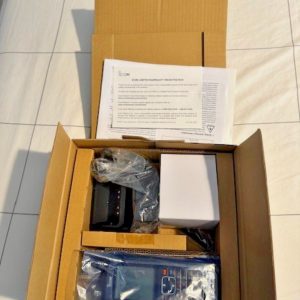
:::writingvariant="document" id="58314" ICOM IC-A25N Handheld NAV/COM Transceiver w/ Bluetooth – Open Box: Portable Aviation Radio The ICOM IC-A25N Handheld NAV/COM Transceiver w/ Bluetooth – Open Box is designed for aviation users seeking a capable portable radio that Portable Aviation Transceiver can support communication and navigation-related operations. For budget-conscious pilots, an open-box radio may provide a practical balance between modern functionality, reliable construction, and competitive purchase value. The ICOM IC-A25N Handheld NAV is suitable for users who want portable access to communication and navigation-related functions during flight preparation, cockpit operations, instruction, emergency planning, or airport ground activities. A capable ICOM IC-A25N Aviation Radio can provide additional confidence during flights, training activities, maintenance events, and ground operations. The ICOM IC-A25N Handheld Radio can serve private owners, instructors, students, aircraft dealers, mechanics, and airport staff who need communication away from a fixed cockpit installation. Choosing a Handheld NAV/COM Aviation Transceiver can support organized flight preparation, backup planning, and portable cockpit communication. Whether the requirement is a Handheld Aviation Radio, Aviation NAV/COM Radio, Pilot Handheld Radio, or Aircraft Communication Radio, buyers should review package condition, included accessories, battery health, and operational compatibility before purchase. As an Aviation Communication Device, the radio can provide portable support for cockpit, training, emergency, and ground environments.
Exploring the ICOM IC-A25N NAV/COM Platform
A multifunction handheld radio can provide useful redundancy and flexibility for pilots who regularly operate in different aircraft or environments. A handheld NAV/COM platform can serve as primary portable equipment in suitable operations or as supplementary equipment alongside panel avionics. The radio may perform very effectively in some environments while experiencing reduced range inside certain aircraft or buildings. Operators should include the radio in normal equipment checks so batteries, accessories, and settings remain ready for use.ICOM IC-A25N Handheld NAV Applications
An ICOM IC-A25N Handheld NAV may help pilots monitor frequencies, organize flight-related information, and maintain portable communication capability. Private pilots may carry the device during cross-country flights, aircraft repositioning, fly-ins, or travel in rented airplanes. Navigation features should support rather than replace required pilot preparation, approved navigation equipment, current charts, and appropriate operational judgment. Organized cockpit placement improves access while protecting the radio from impact, movement, moisture, and accidental activation.ICOM IC-A25N Aviation Radio for Pilots
Aviation professionals can carry the IC-A25N when moving between aircraft instead of depending entirely on equipment installed in one cockpit. The radio may also be useful at aviation events, remote airfields, flight schools, maintenance shops, aircraft demonstrations, and airport operations areas. Current photographs should show the radio body, display, controls, connectors, antenna, battery, charger, packaging, and included components. The best purchase decision combines condition evidence, package completeness, seller credibility, secure payment, and documented delivery terms.ICOM IC-A25N Handheld Radio Convenience
The ICOM IC-A25N Handheld Radio offers portable access to aviation communication functions without requiring permanent aircraft installation, wiring, panel space, or structural modification. The antenna should be protected from bending or crushing while the radio is transported with other equipment. Users can review the interface in a quiet environment rather than learning controls during engine operation or busy airport activity. The radio should be removed from environments where condensation, fuel, oil, cleaning products, or maintenance debris may cause damage.Choosing a Handheld NAV/COM Aviation Transceiver
The integrated format can reduce the need to carry separate handheld receivers for several common aviation tasks. An open-box package may represent strong value when it includes the equipment required for immediate setup and normal use. Users should keep the operating guide accessible until they can manage essential functions without hesitation. The antenna, battery, charger, headset adapter, belt clip, and other accessories should remain organized with the radio.Choosing a Handheld Aviation Radio
A handheld aviation device can support monitoring and communication activities from the cockpit, ramp, hangar, or operations office. Pilots should avoid assuming that an unused radio stored for years will operate correctly without battery care and periodic testing. Radio performance can be affected by aircraft structure, cockpit location, antenna orientation, terrain, buildings, interference, weather, and distance. The device should not be used for casual or unnecessary transmissions that could interfere with operational communications.Aviation NAV/COM Radio Applications
An Aviation NAV/COM Radio gives pilots portable access to communication and navigation-support features that may complement installed cockpit avionics. Menu familiarity, memory organization, display interpretation, audio control, and Bluetooth setup can improve efficient operation. A handheld device may provide valuable reference information but should not replace required installed equipment or approved procedures where those are necessary. The antenna should be attached properly and protected from interference with controls or cockpit movement.Pilot Handheld Radio Applications
A Pilot Handheld Radio can provide useful communication redundancy during cross-country flights, aircraft delivery, rental operations, training, and travel to unfamiliar airports. A belt clip, protective case, organized side pocket, or approved mounting arrangement may help secure the radio during flight. A pilot should practice basic operations such as powering on, selecting a frequency, adjusting audio, transmitting appropriately, using memory functions, and checking battery status. Battery condition should be reassessed as the pack ages or shows reduced capacity, charging problems, unusual heat, or physical changes.Aircraft Communication Radio Benefits
The IC-A25N can become part of an organized communication strategy for private pilots and aviation businesses. Pilots should listen before transmitting, speak clearly, keep messages relevant, and verify that the correct frequency is selected. A portable radio may operate differently from the aircraft’s main communication system because antenna size, antenna position, output, and cockpit shielding can affect performance. Maintaining physical and electronic condition supports dependable Aircraft Communication Radio performance.Portable Aviation Transceiver Advantages
The ability to carry the radio personally helps operators maintain access to familiar controls and stored settings. A portable unit is easier to transport than installed avionics, but it also requires careful management of batteries, antennas, chargers, cables, and accessories. Bluetooth operation should be tested in advance because pairing status, battery condition, compatibility, audio routing, and device settings can influence performance. Bluetooth settings can be reviewed during preflight preparation and confirmed before the aircraft begins moving.Aviation Communication Device Applications
The ideal device balances functionality with an interface the user understands and can operate confidently. Buyers should avoid assuming that open-box always means unused or that every accessory remains included. Aviation businesses should establish procedures for cleaning shared microphones, headsets, controls, and surfaces where appropriate. Regular updates to operating procedures may be required when accessories, paired devices, aircraft assignments, or personnel change.Handheld Aircraft Radio for Cockpit and Ground Use
Ground teams may use appropriate handheld equipment during coordinated activities where aviation communication is required and authorized. The radio provides practical value wherever access to aviation communication is useful away from a powered instrument panel. The pilot should route headset cables or charging leads carefully and avoid creating loops that can snag controls or occupants. Ramp and maintenance environments can expose portable electronics to contaminants that are less common in normal indoor storage.Maintaining an Aviation Navigation Radio
The aviation-focused interface is intended to support pilots who need quick access to practical features in a compact format. The radio should be configured on the ground whenever possible instead of during high-workload cockpit operations. Pilots remain responsible for route planning, weather evaluation, airspace awareness, fuel management, and safe aircraft control. Users should remove outdated memories or clearly organize frequencies to reduce confusion during operation.ICOM Pilot Radio Benefits
An ICOM handheld can become a standard part of a flight bag for pilots who regularly operate rented, shared, or personally owned aircraft. Accessories, manuals, packaging, warranty eligibility, and previous registration may affect the practical and commercial value of the radio. Businesses may value durability, accessory replacement, consistent training, and the ability to assign one radio across several users. Responsible ownership allows an ICOM Pilot Radio to remain a useful communication and navigation resource for many aviation activities.Emergency Aviation Radio Benefits
Emergency value depends on the radio being charged, accessible, configured, and familiar to the pilot before a problem occurs. Cockpit structure, antenna location, terrain, altitude, weather, buildings, and battery condition can influence emergency performance. Redundancy is strongest when the user has more than one practical method of hearing and transmitting with the device. The radio should be tested periodically without making unauthorized transmissions or interfering with operational frequencies.Choosing a Backup Aircraft Radio
Backup equipment can be particularly valuable during cross-country operations, aircraft delivery, training, rental flying, or travel in older aircraft. Pilots should confirm charge status, antenna attachment, audio output, Bluetooth pairing, memory organization, and accessibility. A simple and familiar arrangement is generally more useful during an abnormal situation than a complicated setup that has not been practiced. Backup planning should also consider how the aircraft will be flown, navigated, and managed while the pilot is using the portable radio.Buying an Open-Box ICOM IC-A25N
A careful physical review helps determine whether the product condition matches the seller’s open-box description. The package should be compared with the seller’s inventory to confirm the radio, battery, antenna, charger, adapters, clip, documentation, packaging, and other included accessories. The Bluetooth system should be checked for pairing, audio routing, connection stability, and compatibility with supported equipment. A professional purchasing process protects both parties and supports a fair evaluation of the open-box aviation transceiver.Routine Care for a Handheld Aviation Radio
The radio should be inspected according to usage frequency, storage duration, operating environment, and the importance of its backup role. Inspection frequency may need to increase when the device is shared, carried daily, used outdoors, exposed to maintenance environments, or stored in an aircraft.- Confirm that the device powers on, responds correctly, holds charge, produces clear audio, and remains properly configured.
- Verify frequency settings, memory organization, Bluetooth pairing, audio routing, volume, squelch, navigation functions, and battery status during preflight preparation.
- Record any missing component, operating concern, battery issue, or required service before returning the radio to backup status.